

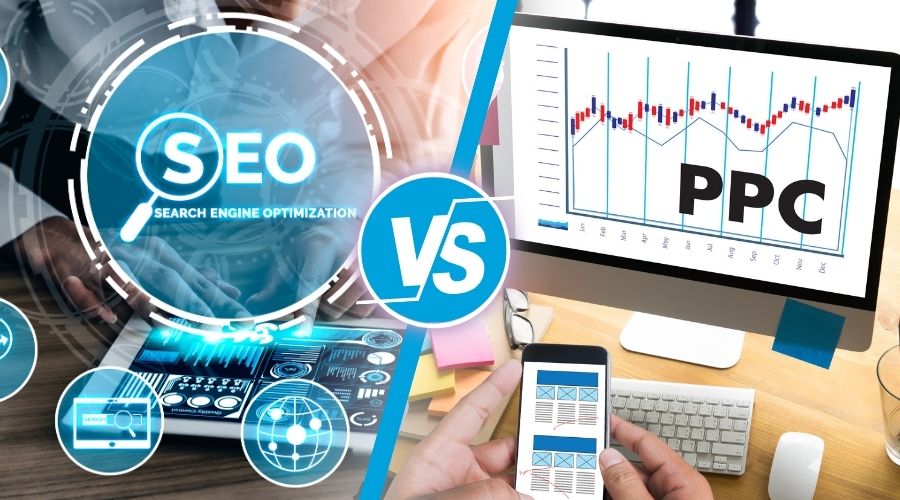
When it comes to digital marketing for law firms, attorneys and legal marketers often face a critical decision: should they invest in Search Engine Optimization (SEO) or Pay-Per-Click (PPC) advertising? Both strategies can generate leads, increase visibility, and grow a law practice, but each works differently, and their effectiveness depends on your law firm’s goals, budget, and timeline.
This comprehensive guide breaks down the key differences between SEO vs PPC, their advantages and challenges for law firms, and how combining both strategies can maximize results.
What is SEO for Law Firms?
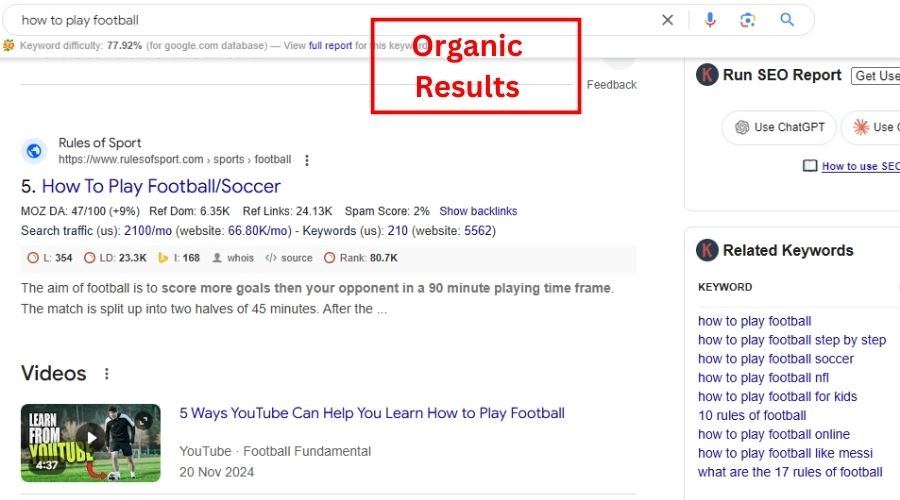
SEO (Search Engine Optimization) is the process of optimizing your law firm’s website to rank higher in organic search results. When someone searches for legal services such as “personal injury lawyer near me” or “divorce attorney in New York,” law firms with strong SEO appear on the first page of Google, Bing, and other search engines without paying for clicks.
SEO involves multiple strategies, including:
- On-page SEO: Optimizing website pages with relevant legal keywords, meta titles, meta descriptions, headings, and internal linking.
- Off-page SEO: Building high-quality backlinks from authoritative websites, legal directories, and local citations.
- Technical SEO: Ensuring your law firm website is mobile-friendly, fast, secure (HTTPS), and easy to navigate.
- Content Marketing: Writing informative legal blogs, FAQs, and guides that address client questions and demonstrate your expertise.
SEO is particularly valuable for law firms because legal services are often searched online by potential clients looking for trustworthy professionals. A strong organic presence helps build credibility and attracts high-intent leads without the ongoing cost of ads.
Pros of SEO for Law Firms
- Cost-effective in the long run: While SEO requires initial investment in content, website optimization, and legal directories, organic traffic itself is free. Over time, your law firm can generate leads consistently without paying for every click.
- Long-term growth: SEO results compound over time. Once your pages rank well, they continue to attract traffic and potential clients even months after the initial effort.
- Builds trust and credibility: People tend to trust law firms that appear in organic search results more than paid ads. Ranking highly signals expertise and authority in your legal niche.
- Improves user experience: SEO requires optimizing your site for speed, mobile use, and easy navigation—all of which make potential clients feel confident in your law firm.
- Supports other marketing efforts: High-quality SEO content can feed into email campaigns, social media, and retargeting ads.
Cons of SEO for Law Firms
- Time-consuming: SEO can take months to show noticeable results, especially in competitive practice areas like personal injury or criminal defense.
- Ongoing effort: Search engine algorithms constantly evolve. To maintain rankings, law firms must consistently update content, optimize pages, and build authority.
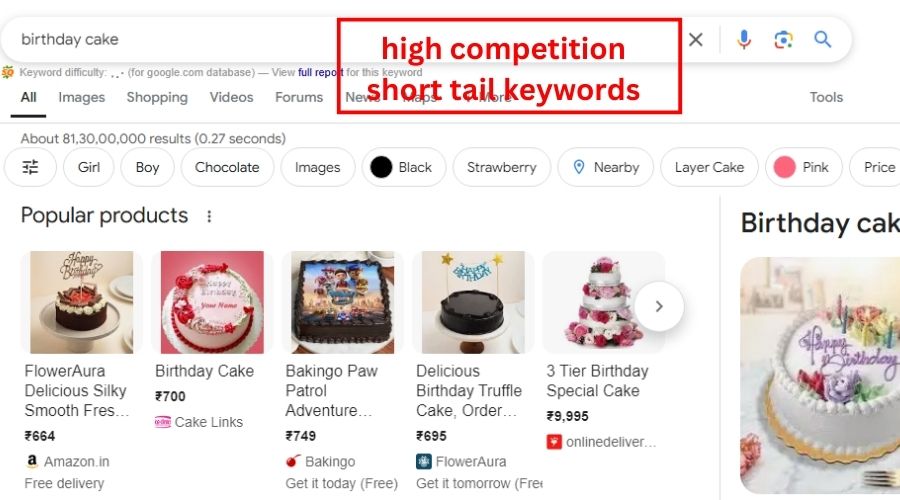
- High competition: Top legal keywords are often highly competitive. Achieving a first-page ranking for terms like “criminal defense lawyer” or “car accident attorney” can be challenging.
What is PPC for Law Firms?
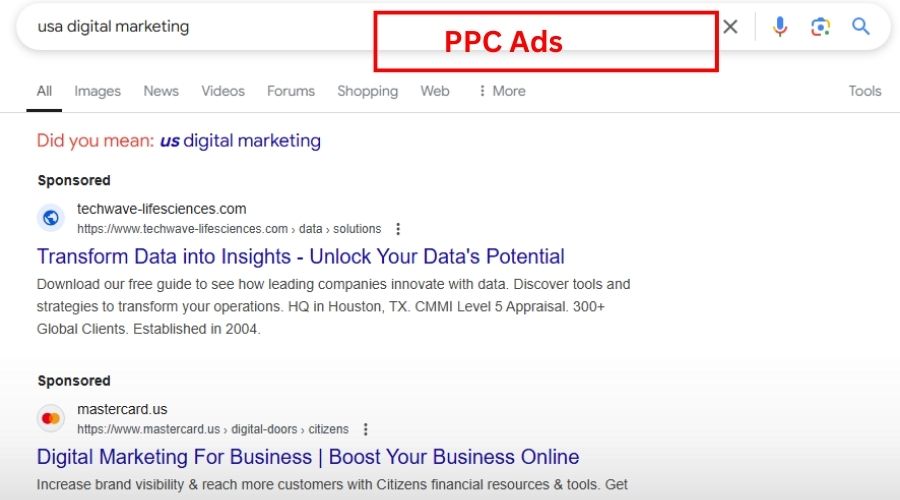
PPC (Pay-Per-Click advertising) is a paid marketing strategy where law firms bid on keywords and pay each time a user clicks on their ad. Google Ads, Microsoft Ads, and social media platforms like Facebook offer PPC campaigns specifically tailored to law firms looking for new clients.
PPC provides instant visibility, allowing your ads to appear at the top of search results for competitive legal keywords. With detailed targeting options, PPC ensures your ad reaches the right audience at the right time.
Pros of PPC for Law Firms
- Immediate results: Unlike SEO, PPC ads appear as soon as your campaign is live. This is ideal for law firms that want to generate leads quickly.
- Highly targeted: You can reach clients by location, demographics, devices, search intent, and even behavior online. For example, a personal injury law firm can target users searching for “car accident lawyer near me.”
- Budget control: You can adjust spending, pause campaigns, and optimize bids to maximize ROI. PPC ensures your marketing budget is spent on leads most likely to convert.
- Measurable outcomes: Detailed analytics track clicks, impressions, conversions, and ROI, helping law firms refine campaigns for maximum efficiency.
Cons of PPC for Law Firms
- Continuous investment required: Traffic stops the moment your budget runs out. PPC doesn’t generate organic leads.
- High costs for competitive keywords: Legal keywords, especially in metropolitan areas, often have high CPC (Cost Per Click) rates.
- Perceived lower credibility: Some users may trust organic results more than paid ads.
- Complexity: Running effective PPC campaigns requires knowledge of Google Ads, Bing Ads, and ad optimization strategies.
Benefits of Combining SEO and PPC for Law Firms
Rather than choosing one over the other, many successful law firms integrate SEO and PPC to dominate both organic and paid search results. Benefits include:
- Maximum visibility: Your law firm appears in both paid and organic listings, increasing the chance potential clients click on your website.
- Better keyword insights: PPC campaigns provide data on high-performing keywords that can inform your SEO content strategy.
- Increased credibility: While SEO builds trust over time, PPC ensures your law firm is visible immediately.
- Higher conversions: Users who see both paid and organic listings for the same law firm are more likely to become clients.
SEO vs PPC ROI for Law Firms
SEO ROI
Search Engine Optimization for law firms delivers a slower but long-term return on investment. While competitive keywords may take months to rank, local SEO for law firms can generate compounding traffic and leads, especially for practice area-specific searches like:
- “Divorce lawyer in Chicago”
- “Personal injury attorney near me”
- “Criminal defense lawyer Los Angeles”
Once your law firm ranks high, the organic leads are essentially free, making SEO cost-effective for long-term growth.
PPC ROI
PPC delivers immediate results. With well-targeted campaigns, your law firm can start receiving leads on day one. However, it requires ongoing investment, particularly in competitive legal niches, and stops generating traffic if the budget runs out.
How Long Does It Take for SEO vs PPC to Show Results for Law Firms?
- SEO timeline: Typically, it takes 3–6 months to see noticeable improvements for medium-competition keywords and 6–12 months for highly competitive terms.
- PPC timeline: Ads appear instantly, and law firms can generate leads immediately once campaigns are live.
For law firms seeking a mix of short-term and long-term results, combining both strategies is often the most effective approach.
Cost Comparison Between SEO and PPC for Law Firms
- SEO costs: Investments include content creation (legal blogs, landing pages), backlink building, website optimization, and ongoing SEO management. While costs vary by firm size, competitive legal niches may require higher budgets to stay ahead.
- PPC costs: Law firms pay per click, and competitive keywords like “personal injury attorney” or “car accident lawyer” may cost $50–$300 per click in some areas. Budget control is essential to maximize ROI.
SEO vs PPC Comparison Table for Law Firms
| Feature | SEO | PPC |
| Cost | Free (except labor & tools) | Paid per click ($50–$300 per click for legal keywords) |
| Speed of Results | Slow (Months) | Immediate |
| Long-term Impact | Sustainable Traffic | Stops when budget ends |
| Trust & Credibility | Higher | Lower |
| Control Over Targeting | Limited | Extensive |
| Competition | High for Top Rankings | Can outbid competitors |
Top SEO Tools for Law Firms & How to Use Them
- Google Search Console & GA4 – Monitor website performance, track keyword rankings, and identify technical issues.
- Ahrefs – Analyze backlinks, research keywords for legal niches, and track competitors’ SEO strategies.
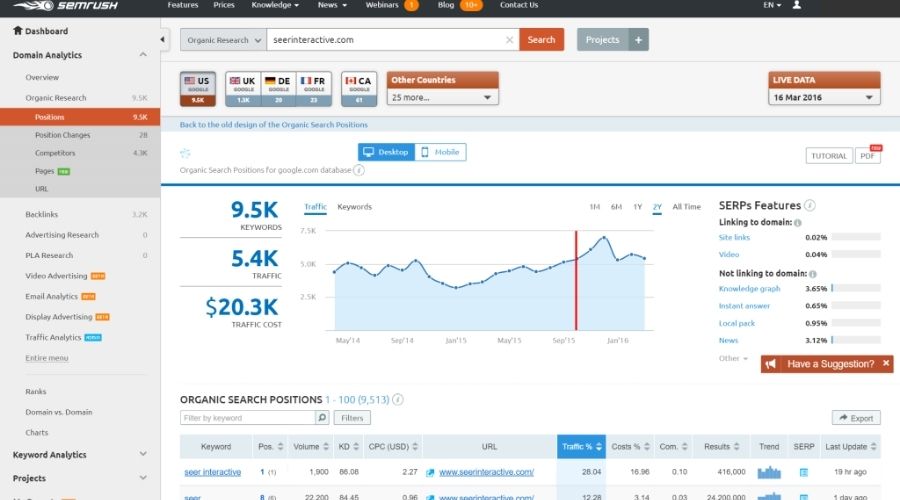
- SEMrush – Conduct on-page and off-page SEO analysis, competitor audits, and keyword research.
- Moz Pro – Check your law firm’s domain authority, track keyword rankings, and perform site audits.
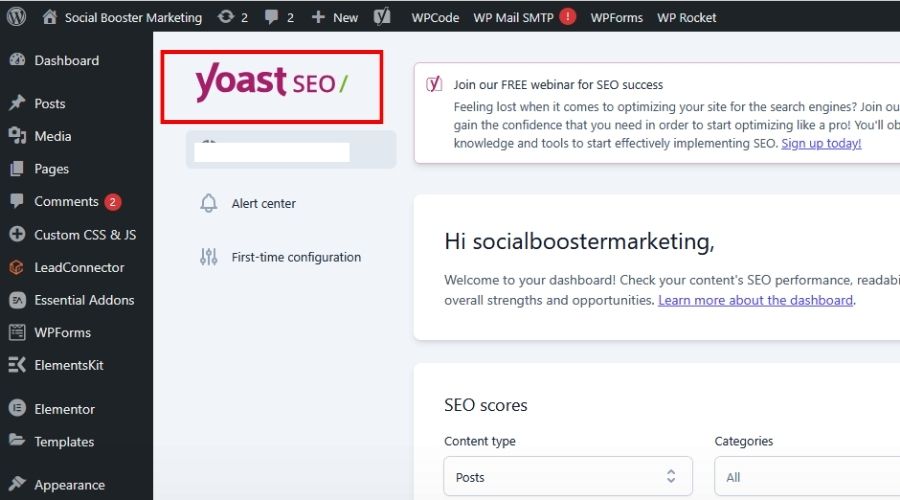
- Yoast SEO (WordPress) – Optimize on-page SEO elements, meta titles, and meta descriptions for legal content.
Top PPC Tools for Law Firms & How to Use Them
- Google Ads – Run search ads targeting high-intent legal queries, track clicks, and monitor ROI.
- Microsoft Advertising (Bing Ads) – Lower CPC for certain legal keywords and access a different audience.
- SEMrush PPC Toolkit – Analyze PPC keyword performance, competitor campaigns, and CPC rates.
- SpyFu – Discover competitor law firm PPC strategies and extract top-performing keywords.
- Google Keyword Planner – Find relevant keywords, search volume, and competition for legal services.
Types of PPC Campaigns for Law Firms
- Search Ads Campaign
✅ Definition: Text-based ads that appear on search engine results pages (SERPs) when potential clients search for specific legal services.
✅ Best For: Law firms looking to capture high-intent users actively searching for legal representation.
✅ Example: Google Ads appearing at the top of Google search results when someone searches “personal injury attorney near me.” - Display Ads Campaign
✅ Definition: Visual ads, including images, banners, and graphics, shown across websites and apps via the Google Display Network.
✅ Best For: Law firms aiming to build brand awareness and reach users who may not be actively searching yet.
✅ Example: A banner ad for a family law firm appearing on a local news website. - Shopping Ads Campaign
✅ Definition: Product listing-style ads that show images, prices, and brief descriptions, primarily for online legal products or services.
✅ Best For: Law firms offering online consultations, downloadable legal forms, or subscription services.
✅ Example: A law firm promoting an online estate planning consultation package in Google Shopping results. - Video Ads Campaign
✅ Definition: Short video ads displayed on YouTube or other video platforms, before, during, or after content.
✅ Best For: Law firms looking to showcase expertise visually and engage potential clients with compelling stories.
✅ Example: A 15-second YouTube ad highlighting a criminal defense attorney’s success stories.
- App Promotion Campaign
✅ Definition: Ads designed to drive app installs or in-app actions for a mobile application.
✅ Best For: Law firms with mobile apps for booking consultations, legal reminders, or document submissions.
✅ Example: A law firm promoting its consultation booking app on Google Play or Apple App Store. - Remarketing Ads Campaign
✅ Definition: Ads targeting users who have already visited your law firm website but did not take action.
✅ Best For: Law firms aiming to re-engage potential clients and increase consultation bookings.
✅ Example: A personal injury law firm showing ads to users who previously visited their “Schedule a Consultation” page. - Performance Max Campaign
✅ Definition: Fully automated campaigns running across Google Search, Display, YouTube, Gmail, and Discover using AI.
✅ Best For: Law firms wanting to maximize conversions without manually managing multiple campaign types.
✅ Example: A law firm using Performance Max to generate consultation leads across multiple platforms. - Local Ads Campaign
✅ Definition: Ads that show based on a user’s location to drive traffic to physical law offices.
✅ Best For: Brick-and-mortar law firms, such as family law, personal injury, or criminal defense offices targeting local clients.
✅ Example: A divorce attorney appearing on Google Maps when someone searches “divorce lawyer near me.” - Discovery Ads Campaign
✅ Definition: Visually engaging ads displayed on Google Discover, YouTube Home, and Gmail Promotions.
✅ Best For: Law firms looking to raise awareness among potential clients who may not be actively searching.
✅ Example: A law firm showing an ad about “Estate Planning Tips” in a user’s Gmail Promotions tab or Google Discover feed.
Key Components of Facebook Ads for Law Firms
Facebook Ads consist of multiple essential components that directly impact how well a campaign performs. The key elements include:
- Campaign Objective: Choose goals like awareness, consideration, or conversion (e.g., consultation bookings).
- Audience Targeting: Target by location, demographics, interests, behaviors, and custom audiences.
- Ad Formats: Use image ads, video ads, carousel ads, or collection ads to engage potential clients.
- Ad Placement: Options include Facebook Feed, Instagram Feed, Stories, Marketplace, and Messenger.
- Budget & Bidding Strategy: Set daily or lifetime budgets and optimize bids for cost-per-click (CPC) or cost-per-acquisition (CPA).
- Ad Copy & Creative: Write compelling headlines and descriptions with clear CTAs like “Book a Consultation” or “Call Now.”
- Tracking & Optimization: Use Facebook Pixel to track conversions and A/B test different ad creatives and targeting options.
Which Strategy is Best for Your Law Firm?
- Choose SEO if: You want sustainable, long-term growth, aim to dominate organic search results, and have the patience for gradual lead generation.
- Choose PPC if: You need immediate results, have a flexible budget, and want to target high-intent clients quickly.
- Use both if: You aim for a complete digital marketing strategy. Many law firms use PPC for short-term lead generation while investing in SEO to build a long-term pipeline of clients.
Law Firm Case Study Examples
- Personal Injury Law Firm: Combines local SEO for “car accident lawyer in Chicago” with PPC targeting “motorcycle accident lawyer near me” to dominate both organic and paid search.
- Family Law Firm: Uses SEO to publish helpful divorce guides and PPC ads to target users ready to schedule consultations.
- Criminal Defense Attorney: Leverages remarketing campaigns for users who visited the website but didn’t call, alongside SEO for content on “DUI defense strategies.”
Key Takeaways
- SEO builds trust, credibility, and long-term traffic, while PPC provides immediate visibility and precise targeting.
- Combining SEO and PPC maximizes law firm exposure, leads, and conversions.
- Law firms should analyze budget, competition, and goals before deciding on the strategy.
- Using the right tools (Google Search Console, SEMrush, Google Ads) can streamline campaigns and improve ROI.
- Tracking, A/B testing, and optimization are essential for both SEO and PPC success.
Conclusion
For law firms, both SEO and PPC are indispensable tools in today’s digital landscape. While SEO ensures a sustainable pipeline of organic clients, PPC delivers quick results for urgent lead generation. By combining the two strategies, law firms can dominate search results, improve brand credibility, and attract more high-quality clients consistently.
If your law firm is looking to grow online, it’s time to integrate SEO and PPC strategies to generate results that matter.
📞 Contact Us Now to start optimizing your law firm’s online presence and drive consistent leads with expert SEO & PPC strategies.