

When someone searches for a lawyer, your website is often their first impression. Before they read your credentials or case results, they notice how your site looks, how fast it loads, and how easy it is to take the next step. A well-designed website doesn’t just look professional—it builds trust, answers questions, and encourages potential clients to reach out. This article explains how smarter website design directly leads to more law firm consultations.
Why Website Design Matters for Law Firms
Legal services rely heavily on trust. People visiting a law firm’s website are often dealing with stressful situations and want clarity, credibility, and reassurance. If a site feels confusing, outdated, or hard to use, visitors may leave without contacting the firm.
A strong website built by a law firm website design agency focuses on guiding users smoothly from curiosity to action.
First Impressions Happen in Seconds
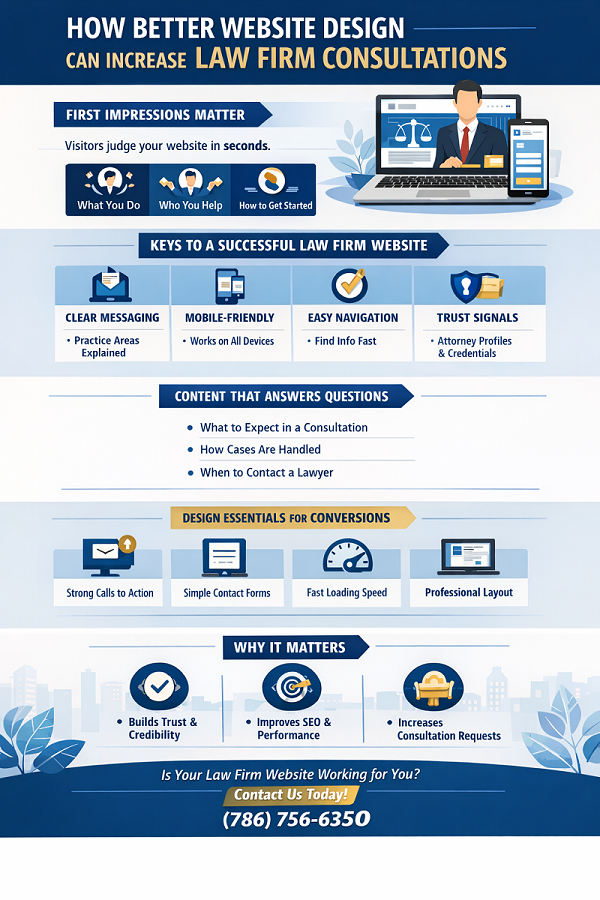
Studies consistently show that users form an opinion about a website within seconds. For law firms, that moment determines whether a visitor feels confident enough to book a consultation. Clear layouts, readable fonts, and consistent branding help visitors quickly understand:
- What the firm does
- Who it serves
- How to get help
A clean design signals professionalism and reliability—two things clients value highly when choosing legal representation. When supported by Data as a Service (DaaS) for law firms, these design choices can be guided by real user behavior and performance insights, helping firms refine layouts, messaging, and conversion paths based on actual data rather than guesswork.
Clear Messaging Builds Immediate Trust
Visitors should never have to guess what your firm offers. Clear headlines and simple explanations help users feel comfortable and informed.
Effective law firm websites explain:
- Practice areas in plain language
- Who the services are for
- What happens after contacting the firm
A skilled law firm website design agency ensures messaging supports both clarity and confidence without overwhelming the reader.
Mobile-Friendly Design Is No Longer Optional
Many potential clients search for legal help on their phones. If your website doesn’t load properly or is hard to navigate on mobile, you lose opportunities instantly.
Mobile-friendly design ensures:
- Text is easy to read
- Buttons are easy to tap
- Contact forms are simple to complete
Google also prioritizes mobile usability, which affects how your site appears in search results.
Navigation Should Feel Effortless
A visitor should be able to find answers without digging through menus. Simple navigation keeps users engaged and reduces frustration.
Strong navigation includes:
- Clear menu labels
- Logical page structure
- Easy access to contact options
When users can move through your site smoothly, they’re more likely to reach out for help.
Content That Answers Real Questions
Law firm websites perform better when they address real client concerns. Pages should answer common questions clearly instead of relying on legal jargon. Helpful content explains:
- What to expect during a consultation
- How cases are handled
- When to contact a lawyer
This approach builds trust and positions your firm as helpful and approachable. When paired with social media management for law firms, these same clear messages can be shared across platforms, reinforcing credibility and keeping your firm visible where potential clients are already asking questions.
One Key Design Focus Area
A conversion-focused law firm website often includes:
- Clear calls to action
- Simple contact forms
- Trust signals and credentials
- Fast loading speed
- Clean page layouts
How Design Impacts Consultation Requests

Design influences behavior. Well-placed buttons, readable content, and clear next steps guide visitors toward contacting the firm.
A thoughtful law firm website design agency understands how layout, spacing, and structure affect decision-making. Small changes—like moving a contact button or simplifying a form—can significantly increase consultation requests.
Trust Signals Make a Difference
Trust signals reassure visitors that they’re in the right place. These include:
- Attorney profiles
- Professional imagery
- Clear firm information
- Client-focused language
Many of these elements are exactly what modern clients expect, and they align closely with what a professional law firm website should include in 2026, where credibility, transparency, and usability directly influence engagement.
When visitors feel confident, they’re more willing to share personal details and request consultations.
Website Speed and Performance Matter
Slow websites frustrate users and reduce search visibility. Law firm websites should load quickly across all devices.
Fast-loading pages:
- Keep users engaged
- Reduce bounce rates
- Support better search rankings
Performance is a key factor considered by any experienced law firm website design agency.
SEO and Design Work Together
Design isn’t just about appearance. Search engines also evaluate structure, usability, and page experience.
SEO-friendly design includes:
- Proper heading structure
- Readable content formatting
- Optimized images
- Clear internal linking
When design and SEO work together, websites attract the right traffic and convert more visitors into consultations. As competition increases, many firms are also exploring and trying something like how law firms can automate marketing with AI technology to improve follow-ups, manage leads, and support ongoing website performance without adding manual workload.
Why Law Firms Need Specialized Website Design
Law firm websites are different from general business sites. They require sensitivity, clarity, and authority.
Social Booster Marketing understands how legal websites should balance professionalism with approachability. Their design approach focuses on usability, trust, and conversion—not just visuals.
Working with a focused law firm website design agency helps firms avoid common design mistakes that cost leads.
Many law firms take time to review whether their current website clearly guides visitors toward taking action.
If your website isn’t generating the consultations you expect, Social Booster Marketing can help improve design, usability, and client engagement through smarter website strategies.
Final Thoughts
A law firm’s website should do more than look professional—it should support trust, clarity, and action. Better design removes friction, answers questions, and makes it easy for potential clients to reach out. With the right approach, your website becomes a reliable tool for increasing consultations and growing your practice.
Contact us at (786) 756-6350 to discuss how your website can work harder for your firm.
Frequently Asked Questions
1. How does website design affect law firm consultations?
Design influences trust, usability, and clarity, which directly impacts whether visitors contact a firm.
2. Is mobile design important for law firm websites?
Yes. Many users search for legal help on mobile devices, and poor mobile design leads to lost leads.
3. Can website design improve search rankings?
Yes. Page speed, structure, and usability all contribute to better SEO performance.
4. How often should a law firm update its website design?
Most firms benefit from reviewing and updating design every few years to stay current and effective.